
Footwear


Hiking
SHULOOK Men's Waterproof Hiking Boots Non-Slip Lightweight Mid Top

Hiking
MOGGEI 5 Pairs Merino Wool Hiking Socks Warm Thermal Winter Cozy
Hiking
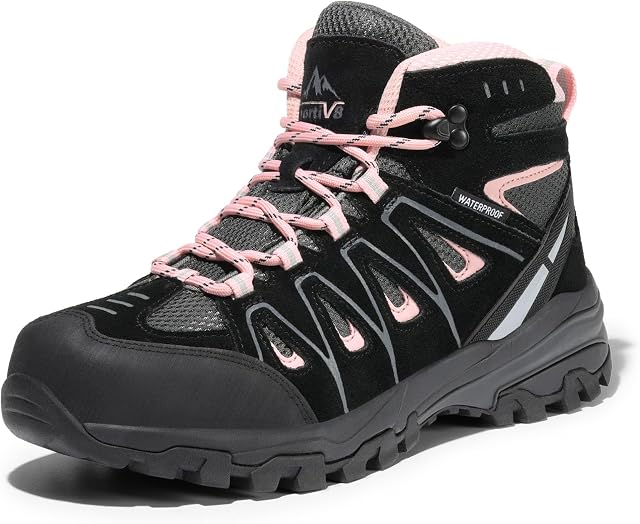
NORTIV 8 Women's Waterproof Hiking Boots Trekking

Hiking
Merrell Women's Moab 3 Mid Waterproof Hiking Boots
Hydration & Filtration

Hiking
LifeStraw Personal Water Filter for Hiking

Hiking
Waterdrop Gravity Water Filter Straw

Hiking
Potable Aqua Water Purification Tablets With PA Plus

Hiking
Hydration Bladder, 1.5-2-3L Water Bladder for Hiking Backpack 3 liters

Hiking
Sawyer Squeeze Water Filtration System

Hiking
CamelBak Crux Water Reservoir Hydration Bladder
Hiking
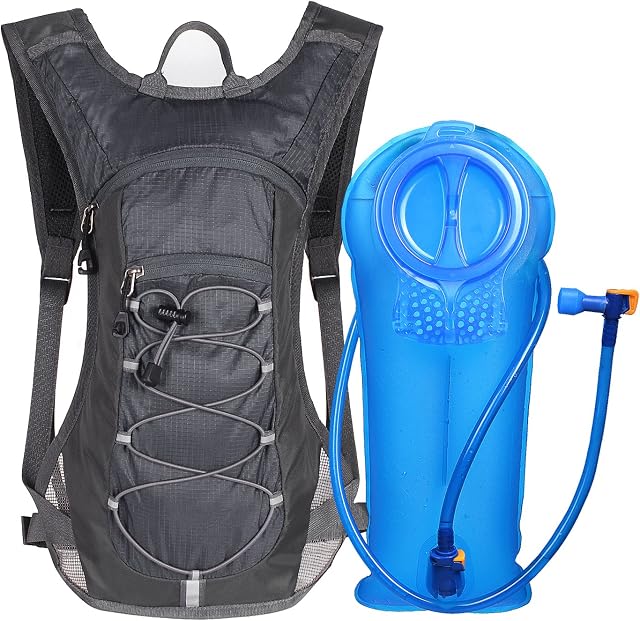
Unigear Hydration Pack Backpack with 70 oz 2L Water Bladder for Running

Hiking
Katadyn BeFree 1L Lightweight Collapsible Water Filter Bottle for
Camp & Trail Accessories


Hiking
Blukar LED Headlamp Rechargeable

Hiking
Lepro LED Headlamp Rechargeable IPX4 Waterproof Headlight 5 Modes

Hiking
Blukar LED Headlamp Rechargeable 2 Pack

Hiking
Therm-a-Rest Z Seat Cushion Insulated Sitting Pad Blue / Silver

Hiking
Therm-a-Rest Z Seat Cushion Insulated Sitting Pad Coyote / Silver

Hiking
Outdoor Ventures Men's Rain Jacket Waterproof Lightweight Packable Rain

Hiking
BoglerCo Ultralight Backpacking Trowel
Navigation & Safety

Hiking
Sabre Pepper Spray with Quick Release Keychain for Self Defense

Hiking
Protect Life Doctor Developed Mini First Aid Kit


Hiking
Emergency Sleeping Bags 2 Pack 2 Sleeping Bags

Hiking
Zarc Vexor Pepper Spray with Belt Clip

Hiking
Garmin inReach Mini 2, Lightweight and Compact Satellite Communicator

Hiking
Adventure Medical Kit Ultralight/Watertight Medical Kit .5

Packs & Bags

Hiking
BECOJADDE 15L Small Hiking Backpack for Men Women Foldable Packable

Hiking
Frelaxy Compression Sack, 40% More Space! Sleeping Bag Stuff Sack


Hiking
Teton Oasis/Trailrunner Hydration Backpack Burnt Orange


Trekking Poles


Hiking
TREKOLOGY Trek-Z Cork Grip Trekking Poles One Size

Hiking
Covacure Hiking Poles Collapsible Trekking Poles

Hiking
Premium Foldable Hiking Poles by USA Brand

Hiking gear questions
What hiking gear do you need to start?
Footwear that fits with wool or synthetic socks, a daypack around 20 to 30 liters, water capacity or a filter, navigation you trust, and layers for the weather turning. Add trekking poles and a small first aid kit before you add anything exotic.
How do you choose a hiking backpack?
Match capacity to trip length: 20 to 30 liters covers day hikes, 40 to 50 liters handles weekend overnights, and 60 liters and up is for multi-day loads. Fit the pack to your torso length and let your hips, not your shoulders, carry most of the weight.
Are trekking poles worth it?
On steep or loose terrain, yes: poles reduce the load on your knees on descents, add stability on stream crossings, and set a rhythm on climbs. Collapsible poles pack away when the trail flattens out.
How do you purify water on the trail?
A squeeze or pump filter handles bacteria and protozoa from most backcountry sources, and purification tablets are a light backup that also cover viruses. Carry both on longer trips: filters clog and tablets take time, so each covers the other.
Looking for something else